

Your vehicle’s water pump circulates coolant throughout the engine, maintaining optimal operating temperatures and preventing catastrophic damage. When water pump failure symptoms appear, quick action protects your engine from overheating and potential destruction. If your car is overheating, the water pump is one of the most common culprits.
The challenge is knowing what to look for. Through nearly three decades of diagnosing cooling system failures in our Broken Arrow shop, we’ve seen how recognizing these symptoms early prevents minor issues from becoming thousand-dollar engine repairs. Whether you drive a Honda, Acura, Toyota, or another major brand, the warning signs remain consistent—and catching them early makes all the difference.
How Your Water Pump Protects Your Engine
The water pump serves as the heart of your vehicle’s cooling system, constantly circulating coolant through the engine block, radiator, and heater core. Most water pumps use a belt-driven impeller that pushes coolant through the system at precise flow rates determined by your engine’s design. When the pump fails, coolant stops moving efficiently, and engine temperatures spike within minutes.
Modern engines operate at tighter tolerances than older designs. A seized water pump or failing bearing can cause immediate overheating, potentially warping cylinder heads, blowing head gaskets, or damaging engine blocks. The repair cost difference between a timely water pump replacement and engine damage can be thousands of dollars.
Seven Critical Water Pump Failure Symptoms
1. Coolant Leaks Beneath Your Vehicle
One of the most visible water pump failure symptoms appears as puddles beneath your vehicle after parking. The pump housing contains multiple gaskets and seals that deteriorate over time, allowing coolant to escape. You’ll typically see bright green, orange, or pink fluid pooling near the front of the engine.
Coolant leaks often start small. A few drops today can become a steady drip within weeks as seal degradation accelerates. Even minor seepage matters because your cooling system operates under pressure—any breach compromises the entire system’s effectiveness.
2. Engine Temperature Warning Light or Gauge Reading High
Your dashboard temperature warning light represents one of the most urgent water pump failure symptoms. Modern vehicles use electronic sensors that monitor coolant temperature constantly, triggering warnings when readings exceed safe parameters. If you see this light or notice your temperature gauge climbing into the red zone, pull over immediately.
Continuing to drive with an overheating engine causes progressive damage. The first few minutes might warp aluminum cylinder heads, while extended operation can crack engine blocks or seize pistons. Our advanced diagnostic equipment quickly identifies whether the water pump, thermostat, or another component caused the overheating.
3. Unusual Noises From the Front of the Engine
A failing water pump bearing creates distinctive grinding, whining, or squealing sounds from the front of your engine. The bearing supports the pump’s rotating shaft, and when it wears out, metal-on-metal contact produces increasingly loud noises. These sounds often intensify when you first start the engine or during acceleration.
Don’t ignore these audible warnings. A seized bearing can cause the pump impeller to stop rotating entirely, or the shaft might separate, sending metal debris through your cooling system. Either scenario leads to immediate overheating and potential engine damage.
4. Steam Rising From Under the Hood
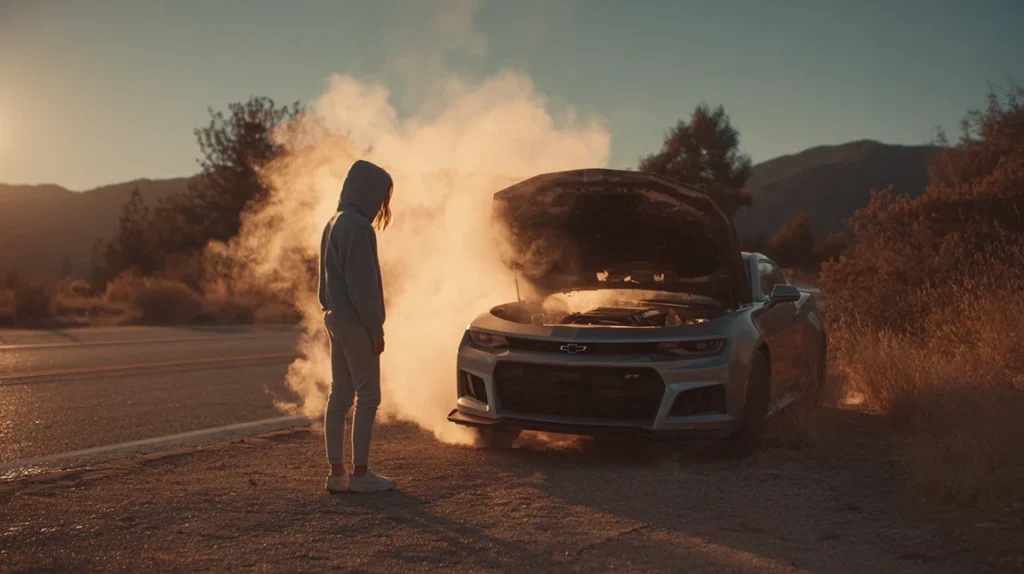
Steam billowing from beneath your hood represents an emergency water pump failure symptom requiring immediate attention. When the pump fails completely, coolant pressure drops, allowing the liquid to vaporize at lower temperatures than normal. You might also smell sweet-scented coolant vapor—a distinctive odor unlike any other automotive fluid.
Pull over safely and turn off the engine. Don’t open the hood immediately, as escaping steam can cause serious burns. Wait at least 20 minutes for the system to cool before checking coolant levels.
5. Visible Corrosion or Rust on the Water Pump
Physical inspection reveals important water pump failure symptoms before complete failure occurs. Corrosion around the pump housing, rust streaks, or crusty deposits indicate coolant has been seeping past seals. These visual cues help our technicians during routine maintenance inspections, catching problems before they strand you on the Broken Arrow Expressway.
Corrosion often concentrates around the weep hole—a small drain designed to leak slightly before major seal failure. This design feature provides early warning, allowing replacement before the pump fails catastrophically. During our comprehensive vehicle inspections, we photograph these conditions and explain exactly what we find.
6. Wobbling or Loose Water Pump Pulley
The water pump pulley connects to your serpentine or timing belt system. When pump bearings wear excessively, you might notice the pulley wobbling or appearing loose. This movement indicates the internal bearing has developed significant play, and complete failure is imminent.
A wobbling pulley also affects belt alignment, causing premature belt wear and potential belt failure. On timing belt-driven water pumps, this misalignment can damage the timing belt itself, leading to much more expensive repairs. Our Master Technicians check pulley alignment during every belt inspection.
7. Reduced Heating Performance in Winter
Unexpected loss of cabin heat during Broken Arrow’s cold winter mornings can signal water pump failure symptoms. The heater core relies on hot coolant circulation to warm your interior. When the water pump loses efficiency, coolant flow decreases, and your heater produces only lukewarm air even with controls set to maximum heat.
This symptom often appears before complete pump failure, giving you valuable time to schedule replacement. Many customers notice reduced heat first, followed by temperature gauge fluctuations or coolant leaks as the pump continues deteriorating.
What Causes Water Pump Failure?
Understanding failure causes helps you maximize pump lifespan through proper maintenance. Most water pumps fail due to age-related seal degradation, coolant contamination, or bearing wear from hundreds of thousands of rotations. Honda and Acura vehicles typically require water pump replacement between 60,000 and 100,000 miles, though usage patterns and maintenance history significantly impact longevity.
Using incorrect coolant types accelerates internal corrosion. Mixing coolant formulations or adding plain water instead of proper coolant degrades the chemical inhibitors that protect metal surfaces. Our technicians always use genuine Honda OEM coolant for Honda and Acura vehicles, ensuring maximum protection and pump life. For other makes, we match manufacturer specifications exactly.
Timing belt replacement intervals often coincide with water pump replacement timing. Because accessing the pump requires removing the timing belt on many engines, replacing both components simultaneously saves significant labor costs. Our comprehensive diagnosis determines which components need replacement and which remain serviceable.
The Diagnostic Process for Water Pump Issues
When you arrive with suspected water pump failure symptoms, our systematic diagnostic approach identifies the exact problem quickly. We begin with a thorough visual inspection of the cooling system, checking for external leaks, corrosion, and belt condition. Our digital inspection process includes detailed photographs showing you exactly what we observe.
Next, we perform pressure testing to evaluate cooling system integrity. This specialized equipment pressurizes the system while the engine is cold, revealing leaks too small to see during normal operation. We also check coolant condition, looking for contamination, proper freeze protection, and correct pH levels that indicate whether internal corrosion is occurring.
For noise-related symptoms, we use stethoscope-type listening devices to pinpoint sound sources precisely. Water pump bearing failure produces specific frequency patterns distinct from alternator bearings, AC compressor issues, or belt tensioner problems. This precision eliminates guesswork and prevents unnecessary part replacement.
Water Pump Replacement: What to Expect
Water pump replacement complexity varies significantly between vehicle designs. Some manufacturers place pumps externally with easy access, while others integrate them behind timing covers requiring substantial disassembly. Honda and Acura models typically use timing belt-driven water pumps, meaning replacement involves timing belt removal and reinstallation with precise tensioning procedures.
Our Master Technicians follow factory service procedures exactly, ensuring proper timing alignment and belt tension. We replace associated components showing wear, including timing belt tensioners, idler pulleys, and drive belts. This comprehensive approach prevents having to repeat the job within a few thousand miles because a related component failed.
Quality parts matter significantly for cooling system repairs. We stock genuine Honda OEM water pumps for all Honda and Acura models, providing the exact fit and performance specifications your vehicle was designed around. For other makes, we use premium quality parts meeting or exceeding original equipment specifications, backed by our quality guarantee.
Preventing Premature Water Pump Failure
Regular coolant maintenance extends water pump life significantly. Your owner’s manual specifies coolant replacement intervals, typically ranging from 30,000 to 60,000 miles depending on the coolant formulation. Fresh coolant maintains proper corrosion inhibitors and pH balance that protect pump seals and metal components from degradation.
Addressing coolant leaks immediately prevents air from entering the system. Air pockets reduce coolant circulation efficiency and create hot spots that accelerate wear. Our pressure testing during routine maintenance identifies small leaks before they become major problems.
Following manufacturer-recommended timing belt replacement intervals protects your water pump investment. If your pump is timing belt-driven, replacing both components together makes economic sense. The labor for accessing the pump represents the largest cost—the pump itself is relatively inexpensive by comparison.
Cost Considerations for Water Pump Replacement
Water pump replacement costs vary based on vehicle design and labor requirements. Externally mounted pumps with easy access might cost $400-700 for parts and labor, while timing belt-driven pumps requiring extensive disassembly can range from $800-1,500 or more. These estimates include related components we recommend replacing during the repair.
Honda and Acura owners benefit from our specialized knowledge of these systems. We know exactly which components require replacement and which remain serviceable, eliminating unnecessary spending while ensuring reliable repairs. Our transparent pricing gives you accurate estimates before any work begins, with no surprises when you pick up your vehicle.
Comparing water pump replacement cost to potential engine damage provides clear perspective. A seized water pump that causes engine overheating can easily result in $3,000-8,000 in damage, or even require complete engine replacement. Addressing water pump failure symptoms promptly represents excellent preventive maintenance value.
When to Schedule Water Pump Service
Don’t wait for complete failure to schedule water pump inspection. If you’ve noticed any water pump failure symptoms described above, contact our team for comprehensive diagnosis. Even one symptom deserves attention, as cooling system problems rarely improve on their own.
Consider preventive replacement if your vehicle approaches 100,000 miles and has never had water pump service. This proactive approach prevents inconvenient breakdowns and potential engine damage. We can coordinate water pump replacement with timing belt service, maximizing value and minimizing your time without your vehicle.
Our family-owned business has served the Broken Arrow, Tulsa, and Coweta communities since 1995 with honest diagnosis and transparent pricing. We treat every customer fairly and explain exactly what your vehicle needs, providing options that fit your budget and priorities. Whether you drive a Honda, Acura, Toyota, or any major automotive brand, our expert team delivers the same master-technician level care.
Take Action Before Minor Issues Become Major Repairs
Water pump failure symptoms rarely appear suddenly—your vehicle usually provides warning signs days or weeks before complete failure. Paying attention to these signals and scheduling prompt diagnosis protects your engine and saves money compared to emergency repairs after a breakdown.
Trust matters when choosing an automotive service provider. Our nearly 30 years in business and Honda Master Technician certification demonstrate our commitment to excellence. We use advanced diagnostic equipment, genuine OEM parts when specified, and factory repair procedures to deliver lasting results.
Schedule your comprehensive cooling system inspection today. Our certified technicians will evaluate your water pump, check coolant condition, and provide honest recommendations backed by detailed digital inspection reports. You’ll understand exactly what your vehicle needs and why, with transparent pricing and no pressure—just expert guidance from neighbors who care about keeping you safely on the road.