

Few engine repair diagnoses make a driver’s stomach drop the way a blown head gasket does. The reputation is deserved — it’s a serious failure with real consequences — but it’s also a repair that’s far better understood than feared. Knowing what a blown head gasket actually is, what causes it, and what the symptoms look like puts you in a much stronger position to make a smart decision about your vehicle.
What Is a Blown Head Gasket?
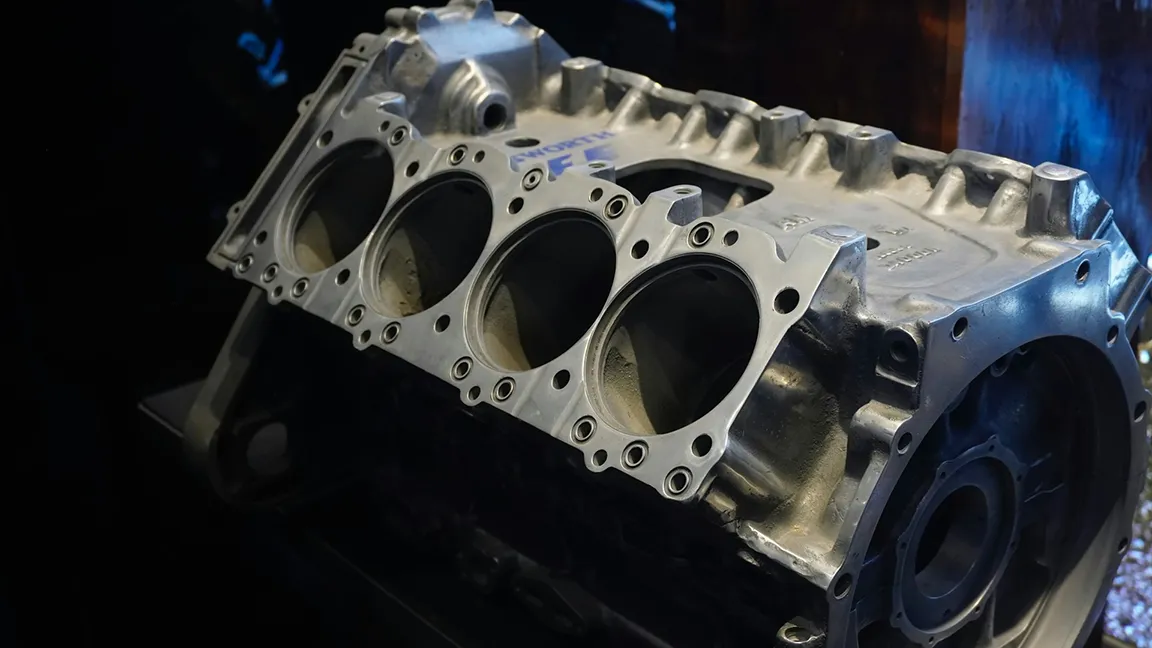
The head gasket is a thin but critically important seal that sits between the engine block and the cylinder head. Its job is to seal three separate systems simultaneously: the combustion chambers, the coolant passages, and the oil passages. Combustion in your engine generates extreme pressure — upward of 1,000 psi in a typical gasoline engine — and the head gasket is what keeps that pressure contained while also preventing coolant and oil from mixing with each other or entering the combustion chamber.
When the gasket fails — “blows” — that seal is compromised. Depending on where the breach occurs, you may end up with combustion gases leaking into the cooling system, coolant leaking into a cylinder, oil and coolant mixing together, or some combination of all three. None of these are situations the engine can tolerate for long.
What Causes a Blown Head Gasket?
Overheating is the single most common cause. When an engine runs too hot, the aluminum cylinder head expands at a different rate than the iron or aluminum engine block beneath it. That differential expansion puts enormous stress on the head gasket, and eventually something gives. This is why a cooling system problem — a radiator leak, a failed water pump, a stuck thermostat — that goes unaddressed long enough often leads to a head gasket failure. The gasket itself isn’t necessarily the original problem; it’s the casualty of one.
Pre-ignition and detonation (also called engine knock) place similar mechanical stress on the gasket by creating abnormal combustion pressure spikes. High-mileage wear, poor cooling system maintenance that allows coolant to degrade and corrode internal passages, and manufacturing defects in certain engine designs can also contribute. Some engines are more prone to head gasket issues than others — certain Honda four-cylinders from the late 1990s and early 2000s, for example, developed a reputation for this problem, which is something our technicians have diagnosed and repaired many times over the years.
What Are the First Signs of a Blown Head Gasket?
Head gasket failures rarely happen without warning, and catching the early signals can be the difference between a repair and an engine replacement.
The first signs are often subtle. A coolant level that keeps dropping with no visible external leak is one of the more reliable early indicators — coolant is being consumed internally rather than pooling under the vehicle. Some drivers notice their engine running slightly warmer than usual without reaching a full overheat. White steam or a sweet smell from the exhaust on a warm day can be easy to dismiss, but it’s worth paying attention to.
White smoke from the tailpipe is the symptom most people associate with head gasket failure, and it’s significant when it persists beyond the normal condensation that clears up a minute or two after a cold start. Coolant entering the combustion chamber gets burned off as steam, and that’s what produces the thick, sweet-smelling white exhaust that becomes visible when the problem has progressed.
What Does a Blown Head Gasket Look Like?
From the outside, there’s often very little to see — which is part of what makes this diagnosis tricky. You might notice milky or foamy residue under the oil cap, which happens when coolant and oil mix together. The coolant reservoir may show a brownish, contaminated appearance rather than clean, brightly colored fluid. In some cases there’s visible external seepage around the seam between the engine block and cylinder head, though this isn’t always present.
Internally, the evidence is more definitive. A technician performing a thorough inspection will look for combustion gases in the cooling system using a block test (a chemical test that changes color in the presence of exhaust gases), check for signs of coolant in the oil, inspect for cylinder compression loss, and look at the spark plugs — a plug that’s been exposed to coolant will look noticeably different from the others. These are the tools of a proper diagnosis, and they matter because several of the symptoms of a blown head gasket overlap with other failures that need to be ruled out.
Symptoms of a Blown Head Gasket
Taken together, here’s what the full picture of a blown head gasket can include:
- White or gray smoke from the exhaust that persists after the engine warms up
- Coolant loss with no visible external leak
- Engine overheating or running consistently above normal operating temperature
- Milky, foamy, or discolored oil (check under the oil cap or on the dipstick)
- Bubbling in the coolant reservoir, caused by combustion gases entering the cooling system
- A noticeable drop in engine performance, rough idle, or misfires
- Sweet-smelling exhaust
Not every blown head gasket produces all of these symptoms, and the pattern depends on where in the gasket the breach has occurred. A gasket that has failed between a combustion chamber and a coolant passage behaves differently from one that has failed between an oil passage and the outside of the engine. This is exactly why professional diagnosis matters — pattern recognition built from experience, combined with the right testing equipment, produces a more reliable answer than any single symptom on its own.
Can You Drive with a Blown Head Gasket?
The honest answer is that continuing to drive on a confirmed blown head gasket is one of the more expensive decisions a driver can make. The engine is already compromised; every mile adds stress and heat to a system that can no longer manage either properly.
Coolant loss means the engine is moving toward overheating with every trip. If coolant is entering the oil, the oil’s lubricating properties are being degraded with each startup. Combustion gases in the cooling system create air pockets that prevent proper coolant circulation. Each of these problems compounds the others. What might begin as a repairable head gasket can progress to a warped cylinder head — or worse, a cracked one — within a relatively short period of continued driving. A repair that was already serious becomes substantially more expensive.
If you suspect a head gasket failure based on what you’re seeing, the right move is to stop driving the vehicle and have it diagnosed before making any further trips.
How Much Does a Blown Head Gasket Repair Cost?
Head gasket repair is labor-intensive, which is why it carries a higher cost than many other engine repairs. The gasket itself is not an expensive part. What drives the cost is the amount of work required to reach it — the cylinder head has to come off, which means disconnecting and removing a significant portion of the top end of the engine.
Once the head is removed, the machined surfaces of both the head and the block need to be inspected for warping, and the head is typically sent to a machine shop to be resurfaced if needed. Associated components — timing components, seals, gaskets — are often replaced at the same time since the engine is already disassembled to that point.
For most four-cylinder passenger vehicles, a complete head gasket repair including resurfacing typically runs somewhere in the range of $1,500 to $2,500 in parts and labor combined. Six-cylinder and eight-cylinder engines involve more complexity and generally cost more. The specific make and model matters considerably, as does whether additional damage — particularly a warped or cracked head — is found during disassembly. This is a repair where the diagnostic findings before work begins are essential to understanding the full scope.
How to Fix a Blown Head Gasket
There are products marketed as head gasket sealers — chemical additives poured into the cooling system that claim to seal minor gasket breaches. These can provide a temporary stop-gap in very specific, limited circumstances, but they are not a repair. They don’t address the underlying cause, they don’t restore the integrity of the seal, and they can cause their own problems by clogging small passages in the cooling system. For a vehicle you plan to keep driving reliably, a chemical sealer is not a substitute for proper repair.
The correct fix is mechanical: the cylinder head comes off, the failed gasket is replaced, the mating surfaces are inspected and resurfaced as needed, the head is reinstalled with a new gasket and properly torqued fasteners, and the cooling system is refilled and pressure-tested. On many Honda and Acura engines, the timing belt or timing chain must also be removed as part of the process — which is often a good opportunity to replace those components if they’re approaching their service interval anyway.
Done properly, a head gasket repair restores the engine to correct operating condition. Done with shortcuts, it’s a repair you may be doing again sooner than you’d like.
What Happens If You Ignore It?
A blown head gasket that goes unaddressed doesn’t stabilize — it gets worse. Coolant contaminating the oil degrades lubrication across the entire engine, accelerating wear on bearings, camshafts, and cylinder walls. Overheating events become more frequent and more severe. The cylinder head, if it warps significantly or develops a crack, may no longer be resurfaceable and will require replacement rather than repair. In severe cases, an engine that’s been run too long on a compromised head gasket reaches a point where the cost of repair approaches or exceeds the value of the vehicle.
The pattern is consistent and worth understanding: the earlier the problem is caught, the more manageable it is. A head gasket diagnosed at the first signs of trouble is a different conversation than one that’s been driven on through multiple overheating events.
Getting an Accurate Diagnosis
Because head gasket symptoms overlap with other failures — including issues with the radiator, water pump, thermostat, or even a cracked engine block — the diagnostic process is where the outcome of this situation is really determined. A shop that rushes to confirm a head gasket without ruling out other possibilities can lead a driver toward an expensive repair that doesn’t fully address the actual problem.
At Ian’s Auto Service, we’ve been performing cooling system and engine diagnostics for Broken Arrow and Tulsa drivers since 1995. Our approach involves systematic testing — block tests, compression checks, coolant inspection, and a thorough review of the full cooling system — before any repair recommendation is made. If you’re seeing symptoms that have you concerned, give us a call. We’re glad to take a look and give you a clear, honest picture of what’s actually going on.